

STC vs BSTCS: Understanding Solar & Battery Rebates in Australia
As electricity prices continue to rise across Australia, government rebates remain one of the most powerful ways to reduce the upfront cost of installing solar panels and battery storage.
At Sun Fusion Australia, one of the most common questions we receive is:
“What’s the difference between STC and BSTCS rebates?”
Let’s break it down in simple terms so you can understand how they apply to your solar or battery system.
What Are STCs?


STC = Small-scale Technology Certificates
STCs are part of Australia’s federal renewable energy incentive under the Small-scale Renewable Energy Scheme (SRES).
They apply to:
-
Solar panel systems (up to 100kW)
-
Small wind systems
-
Small hydro systems
How STCs Work
When you install an eligible solar system, your installer creates STCs based on:
-
System size (kW)
-
Your geographic location
-
How many years remain in the scheme (runs until 2030)
These certificates are traded on the market and provide an upfront discount on your installation.
Example
A 6.6kW solar system in Brisbane may generate enough STCs to reduce the cost by $2,500–$3,500 depending on market value.
You don’t receive the rebate as cash — the discount is applied directly to your quote.
What Is BSTCS?
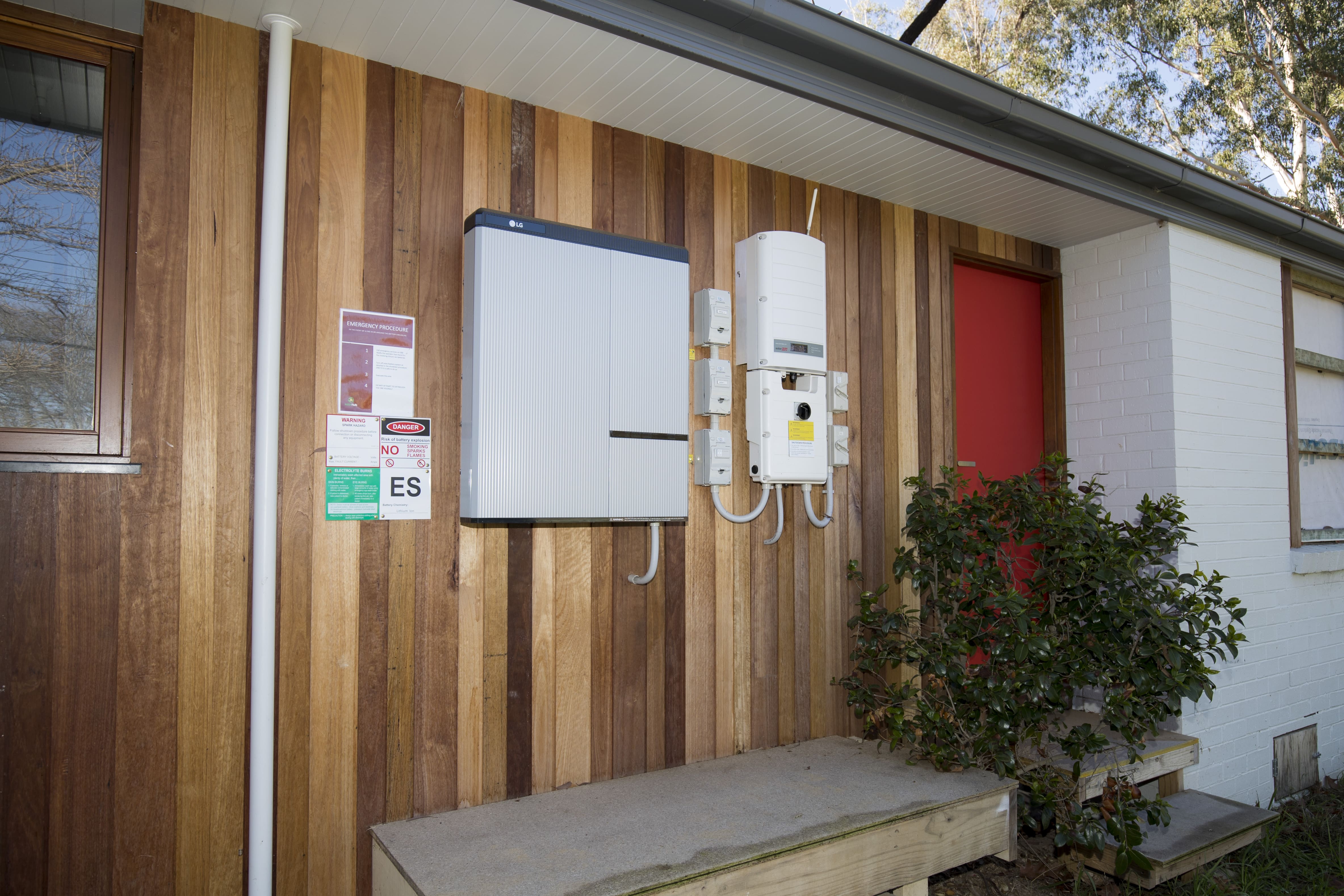


BSTCS = Battery Small-scale Technology Certificates
BSTCS is the newer federal incentive specifically for battery storage systems.
While STCs apply mainly to solar panels, BSTCS is designed to encourage:
-
Home battery installations
-
Solar + battery systems
-
Energy storage upgrades
How BSTCS Works
Similar to STCs:
-
Certificates are created based on battery capacity (kWh)
-
They provide an upfront discount
-
The value reduces gradually over time as the scheme phases down
This makes batteries significantly more affordable than in previous years.
Key Differences Between STC and BSTCS
| Feature | STC | BSTCS |
|---|---|---|
| Applies To | Solar Panels | Battery Storage |
| System Size Limit | Up to 100kW | Based on usable kWh capacity |
| Federal Scheme | Yes | Yes |
| Upfront Discount | Yes | Yes |
| Available Nationwide | Yes | Yes |
| Phasing Out | By 2030 | Gradual reduction over time |
Can You Claim Both?
Yes — and this is where smart system design matters.
If you install:
-
A new solar system → You receive STCs
-
A battery system → You receive BSTCS
-
A complete solar + battery package → You may qualify for both
This can significantly reduce the total system cost.
What About State Rebates?
On top of STC and BSTCS, some states offer additional incentives such as:
-
Interest-free battery loans
-
Virtual power plant incentives
-
Feed-in tariff programs
Each state differs, so your location matters.
Why Timing Matters
Both STC and BSTCS schemes reduce in value each year.
The sooner you install:
-
The more certificates your system generates
-
The larger your upfront rebate
-
The better your long-term ROI
Delaying installation can mean a smaller rebate.
How Sun Fusion Australia Maximises Your Rebate
At Sun Fusion Australia, we:
-
Design systems to optimise certificate value
-
Ensure all installations meet Clean Energy Council standards
-
Handle the rebate paperwork on your behalf
-
Provide transparent pricing showing your rebate savings
You don’t need to navigate the process alone — we manage it end-to-end.
Ready to See Your Rebate Value?
If you're considering solar, battery storage, or a complete energy upgrade, we can calculate:
-
Your estimated STC value
-
Your estimated BSTCS value
-
Your total out-of-pocket investment
-
Your projected savings and payback period
📩 Contact Sun Fusion Australia today for a personalised energy assessment.